



This article was adapted from a post published on Illumina’s website on March 1, 2023.
Herds of woolly mammoth once roamed the span of the Northern Hemisphere, from the British Isles across the Bering Land Bridge to the Eastern shores of North America. Then, about 4,000 years ago, the last mammoth died.
Enough of their remains were preserved in the icy tundra to reveal a somber truth: On a generational time scale, their species disappeared suddenly and catastrophically. The jury is out on whether a changing climate, hunting by people, or something else was the biggest cause. But we do know that the mammoth’s closest living relative, elephants, are undergoing a similar population decline today, driven by similar challenges.
The International Union for Conservation of Nature (IUCN) estimates that in just the past century, the number of living African savanna elephants has been reduced by 60%. Their sister species, African forest elephants, have dwindled by an astonishing 86% and are now listed as “critically endangered.”
We have the power to halt this collapse into extinction. But to do it, we need more data. “At the moment, we actually have more genomic data for woolly mammoths than we do for living elephants,” says Patrícia Pečnerová, an evolutionary biologist at the University of Copenhagen. “And that should change.”
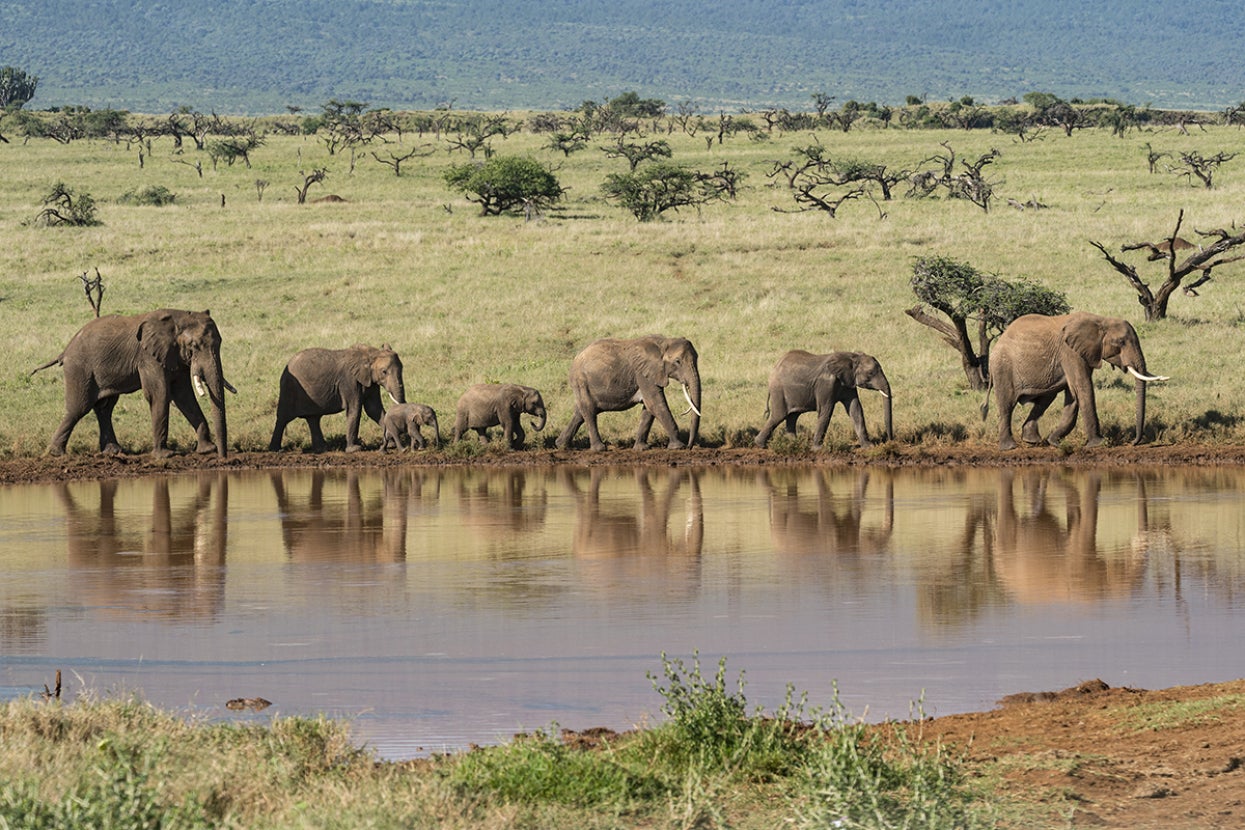
Collaborative conservation is key to creating an atlas of elephant genome diversity across Africa.
Pečnerová wrote her Ph.D. thesis on mammoth paleogenomics and is a Marie Skłodowska-Curie Actions Fellow at the University’s Department of Biology and a National Geographic Explorer. She got in touch with Dr. Mrinalini Erkenswick Watsa, a conservation scientist at San Diego Zoo Wildlife Alliance, to form a partnership. The vision: To create an atlas of elephant genome diversity across Africa, which could be used to make field conservation tools for the people and communities who come into direct contact with these animals, and thus have the most power to help them.
Such a partnership would require several players: someone to gather biological samples, someone to sequence them, someone to analyze the data and develop the atlas, and someone to deploy tools based on it in the field—and everyone involved must understand the challenges at hand.
A Chain Reaction
Savanna elephants are the world’s largest land animal. They can weigh up to 6.5 tons—that’s about 13,000 pounds—and live up to 70 years. So they need vast amounts of food and water to thrive and often return to the same routes year after year. Unfortunately, people often don’t know when they’re building over those routes, and when elephants find their migration interrupted, it can lead to confrontation.
Dr. Stephen Chege, wildlife veterinarian and director of conservation programs for San Diego Zoo Wildlife Alliance Kenya, thinks that’s unfair. “When everybody congregates to the only available water source, for example, there’s a high chance for conflict,” he says. “People have the misconception that wildlife is there to bring chaos. But we need to change that thinking. For the health of wildlife populations and individual animals, we must say that they have a right to access what they need. We shouldn’t be selfish.”
If biologists could positively identify elephants based on their DNA and match them against records of where that herd has traveled before, it could reveal their migration patterns and help people make decisions about where to build with coexistence in mind, making sure the wildlife have room to pass by peacefully.
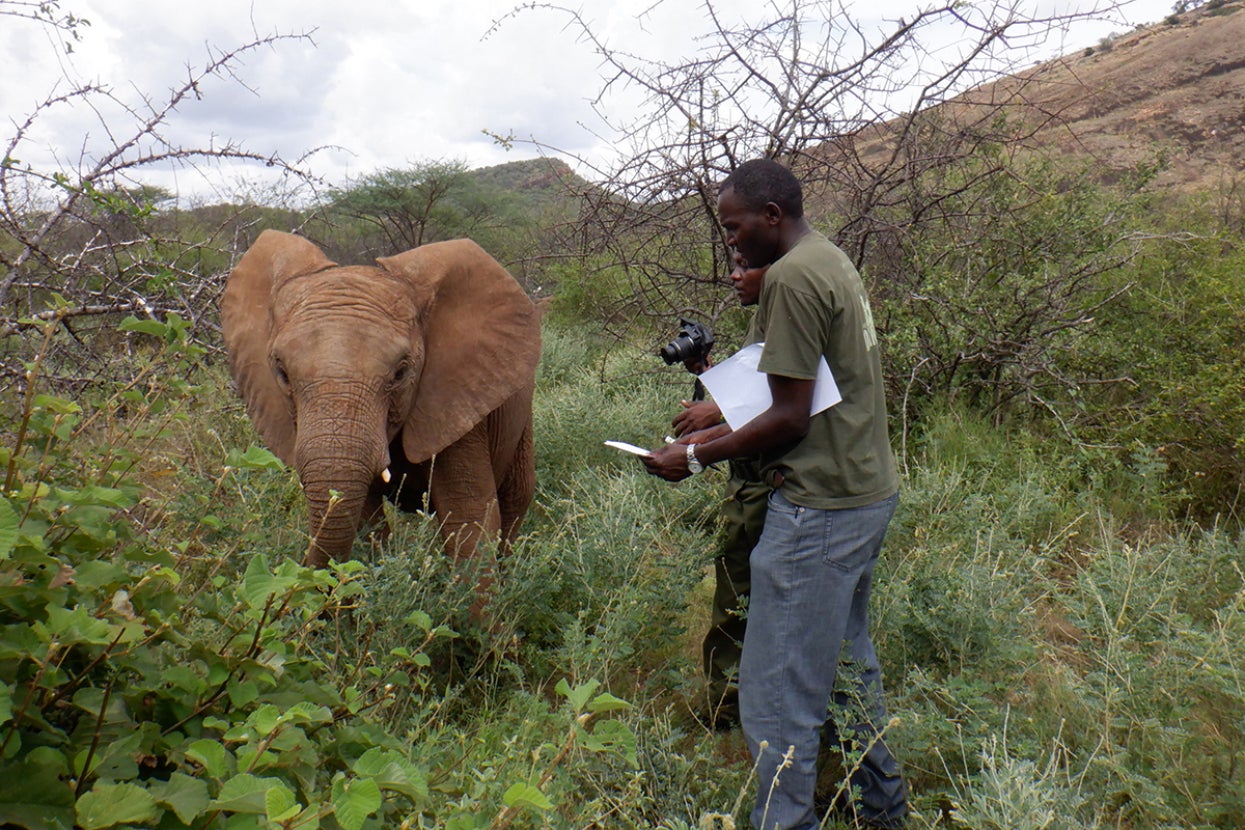
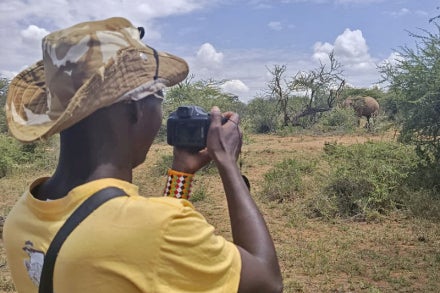
Dr. Stephen Chege, pictured here, thinks that identifying elephants based on their DNA will help reveal their migration patterns and encourage human-wildlife coexistence.
Another threat elephants face is the loss of genetic diversity. Elephant herds are matriarchal. The females stay with the herd, and the males often leave or are forced out until they’re old enough to mate. When reproductive males can mix between herds, the gene pool remains diverse and the population retains more robust defenses against disease, pests, changes in the ecosystem, and other environmental stressors.
Current field observations have shown that about 70% of male elephants die by the time they reach reproductive age. In turn, as herds become more isolated from one another, they exchange fewer individuals, and older males end up dominating reproduction. When this happens, the population’s genetic diversity withers, leaving each new generation more vulnerable.
Identifying how closely related each herd is through genomic sequencing would help people determine which herds to prioritize for conservation and could select individual elephants for translocation.
And of course, even though it was banned internationally in 1989, the illegal poaching of elephants has only risen since. According to the IUCN, it’s the principal cause of death for forest elephants. But forensic sequencing of recovered ivory could help authorities track where they’re being hunted, and step in to protect them.
So, where do we begin?
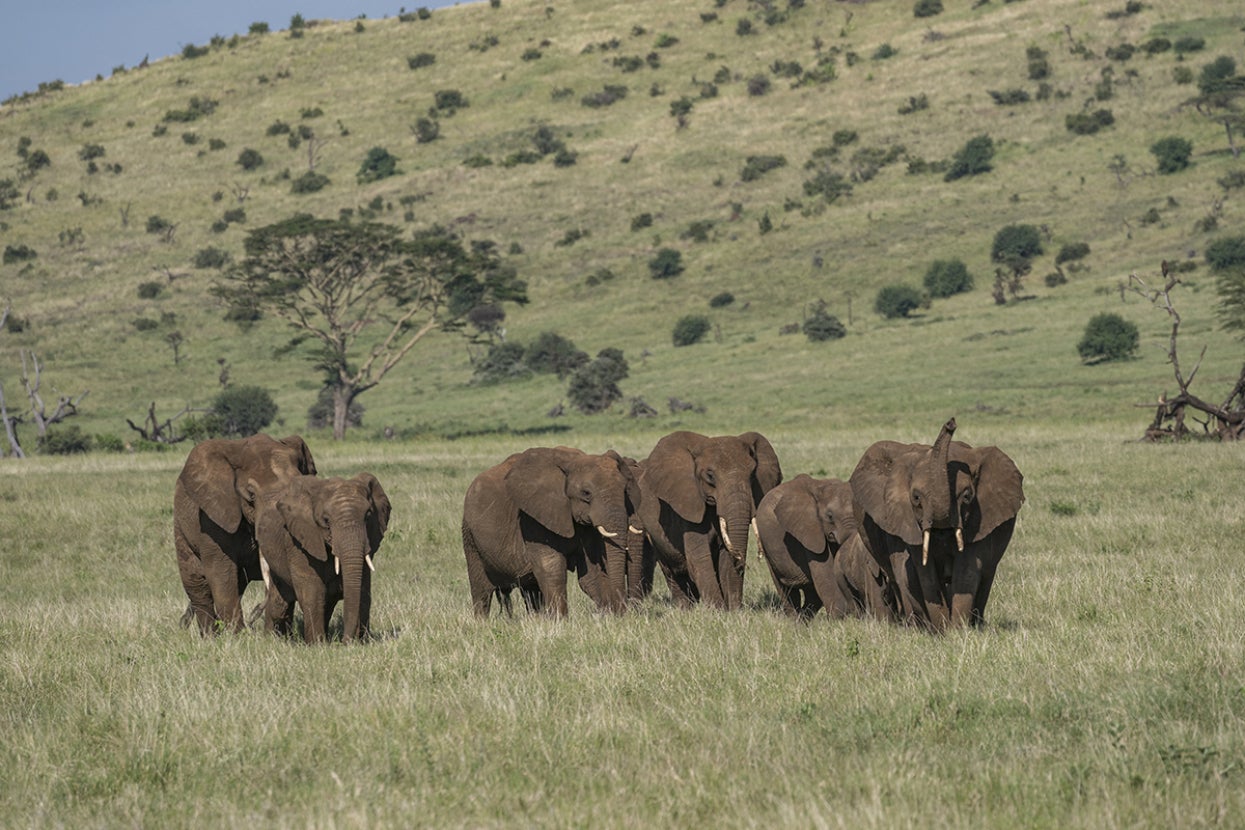
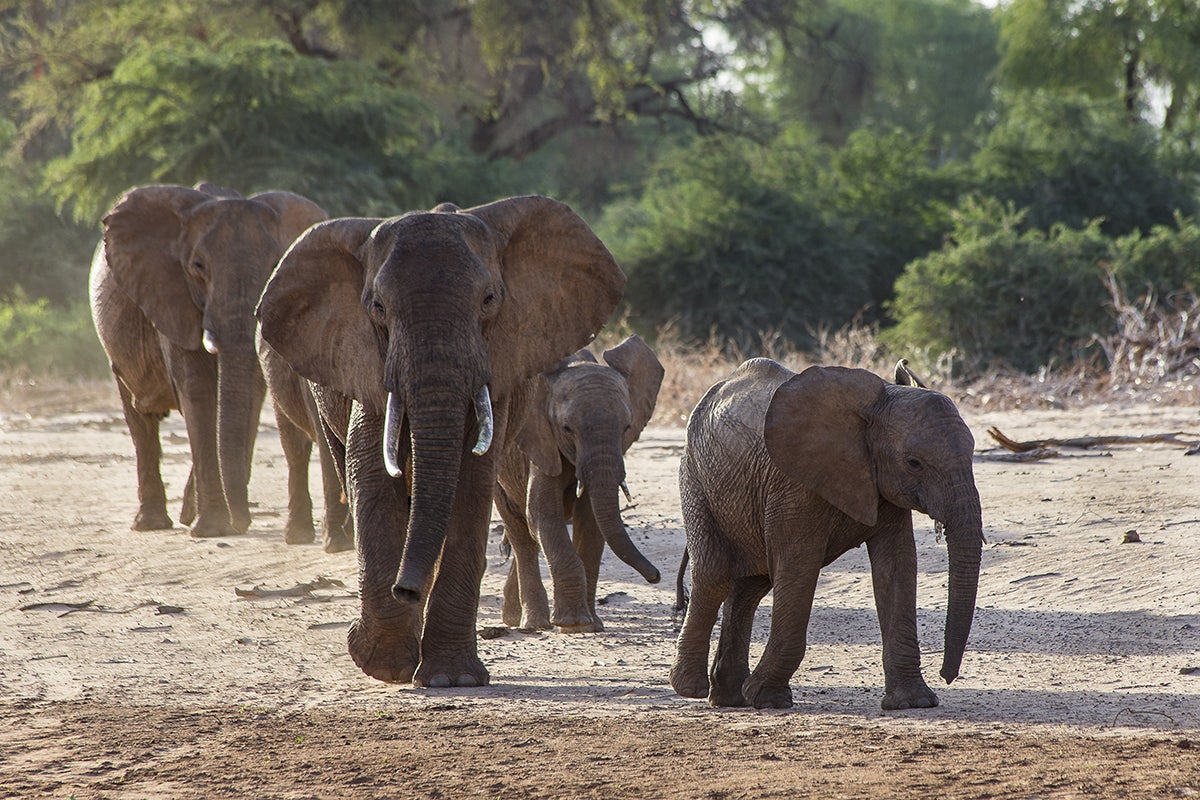
Genomic sequencing will help us understand how closely related each herd is and how we can support their genetic diversity.
Step One: Gather the Samples
To create a genomic atlas, you first need a vast collection of samples from across the species native range. Luckily, this partnership didn’t have to start from scratch.
Back in the 1990s, while he was director of the Mpala Research Centre in Nanyuki, Kenya, Nicholas Georgiadis gathered over 400 biological samples from elephants across Africa. For the entire 20th century, forest elephants were thought to be merely a subspecies of savanna elephants—but Georgiadis, Alfred Roca, and other collaborators used these samples to demonstrate that they diverged into separate species millions of years ago.
“They’re as different as chimps and humans, more different than lions are from tigers,” says Roca, who’s now a professor with the Animal Sciences Laboratory at the University of Illinois. The distinction has real implications for conservation efforts: The two species have adapted to different habitats; they form different migration patterns and social structures. Roca’s research was central to the decision by conservation agencies to formally recognize African elephants as two distinct species. As a single species, African elephants had been considered merely “vulnerable” rather than “endangered” by the IUCN Red List. When the two species were assessed separately, the savanna elephant was determined to be endangered, while the forest elephant was found to be “critically endangered,” a category reserved for species at highest risk of extinction.
Roca was eager to join the partnership and contribute this landmark sample collection to it. A research scientist on his team, Yasuko Ishida, is responsible for selecting a diversity of populations from the collection and will conduct several of the analyses on them. The fact that the samples are now decades old doesn’t matter—DNA can still be extracted from them, sequenced, and mapped; and field biologists can use that information to examine elephants who are still living in these populations.
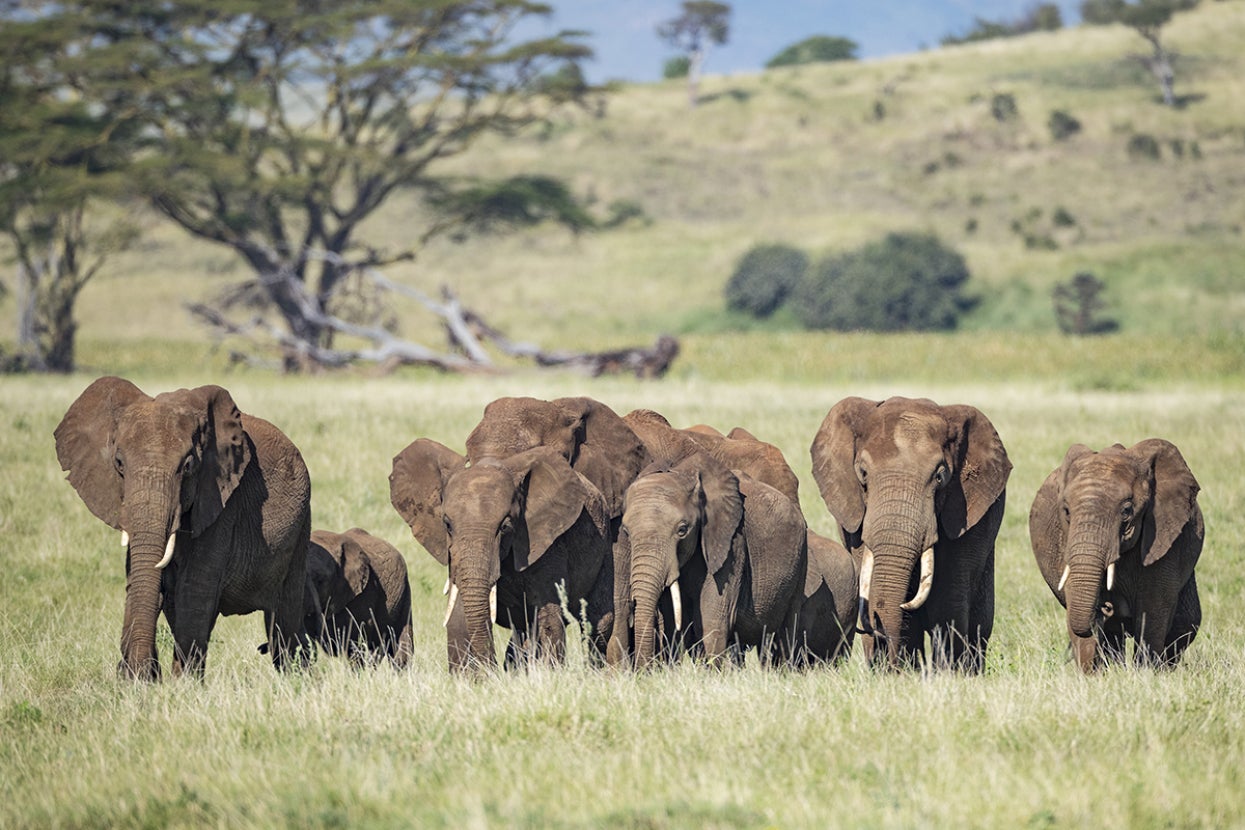
Gathering the samples is the first step, but luckily conservationists didn't have to start from scratch.
Step Two: Sequence the Samples
Previous genetic studies of elephants have looked only at a few selected markers, such as microsatellites—short sections of DNA that repeat multiple times and are useful for tracing family inheritance. The problem with this method is that different labs look at different sites, and their results can’t necessarily be compared against one another.
A project this big needs to sequence the whole genome—which is why it welcomed the Illumina iConserve partnership, whose mandate is to accelerate environmental and wildlife conservation using genomics. This year, the iConserve team will use Illumina sequencers to plumb the depths of Roca’s 400 samples, to the tune of 40x coverage. Once they’ve created the genome sequence data, they’ll send it to Pečnerová in Denmark, where she can begin mapping it.
“Studying the whole genomes provides a lot more information at a much better resolution,” she says. “We can answer some questions that were really difficult or almost impossible to answer with the traditional markers.”
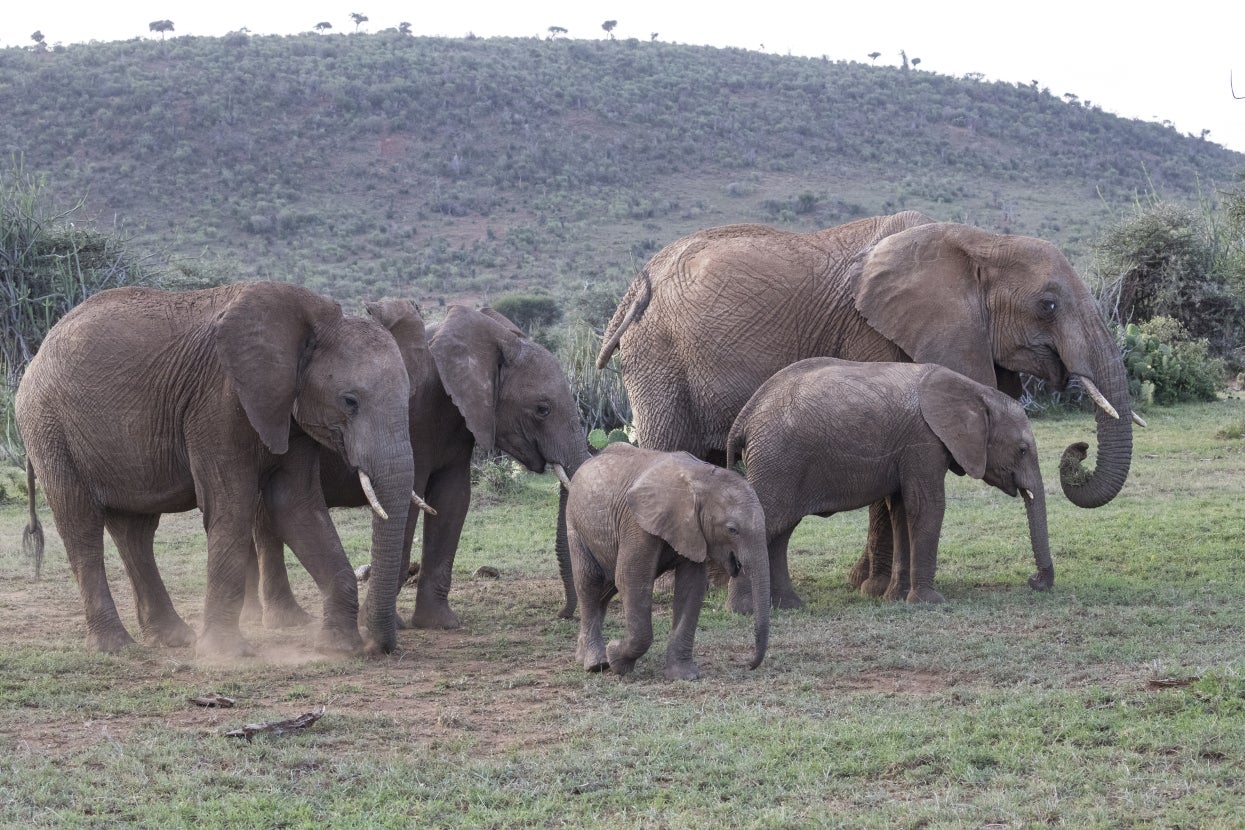
With a project this large, the entire genome needs to be sequenced to get the most accurate data to work from.
Step Three: Develop the Atlas
To map the genomic variation of elephants in Africa, the partnership needs to first read the whole genetic code, then pare it down to the parts that provide the most information.
Harnessing the power of the whole genetic code provides unprecedented resolution to study genetic variation. An individual’s DNA comes together from pieces taken from both of its parents. Through these, Pečnerová explains, “we can reconstruct the whole population’s demographic history, its changes in size through time, from one single individual’s genome.”
Her task will be to process terabytes of genomic data to sieve through the genomes—each more than three billion “letters” long—and identify the most informative positions. Known as single-nucleotide polymorphisms, or SNPs (pronounced “snips”), these are places in an individual’s genetic code where a single letter varies from most others of its species. Instead of studying a dozen or two genetic markers, like researchers used to do in the past, whole genomes offer millions of them. By analyzing 400 elephants from across the continent, the team will identify which of the millions of SNPs are key to revealing local patterns and individual differences.
Equipped with this data, the partnership should be able to map how elephant genetic diversity varies across their native range, see how connected or isolated different populations are across Africa, and explain what factors are contributing to a loss of that diversity.
In turn, conservationists could select potential conservation corridors and candidate populations for translocation. The data could be used to create a practical, low-cost genotyping tool for field teams, using SNPs that correlate with geography, species, sex, and individuals. Such a tool could help them build pedigrees for known individuals, assess population numbers and dispersal in the landscape, and facilitate the rehabilitation of rescued animals to native habitats.
Pečnerová gave an update on the project’s progress as of late 2025: “At this stage, we have used 167 high-quality genomes generated by Illumina to summarize the genomic variation of savanna and forest elephants, and we are currently working on translating this into the low-cost genotyping tool that can be deployed in the field. The tool will be used for various purposes and for each we are preparing a dedicated design, which has to be tested. The testing is currently being done in a lab setting and will be also done in silico using the rest of the genomes generated by Illumina.”
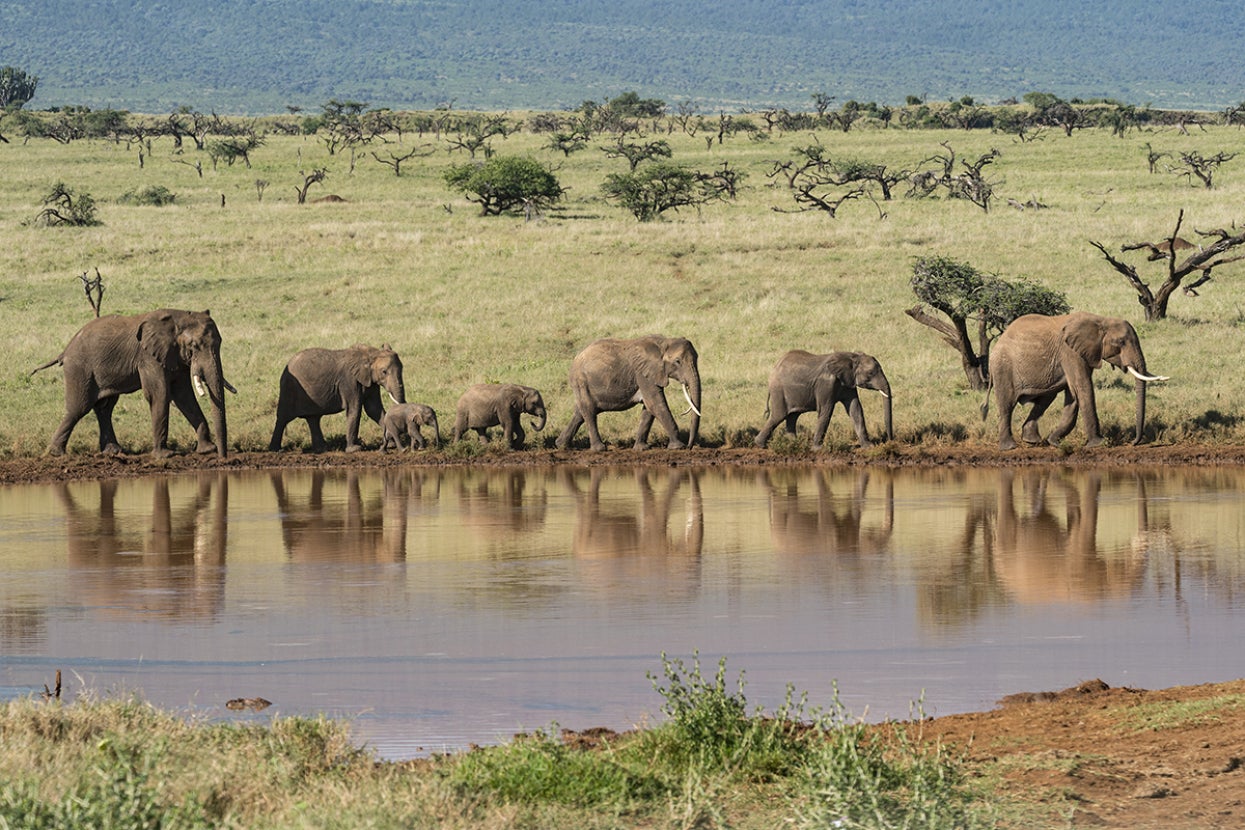
As of late 2025, Pečnerová and partners are currently working on translating this into the low-cost genotyping tool that can be deployed in the field.
Step Four: Deploy the Atlas
Field genotyping technology has come a long way since the 1990s, when Georgiadis had to gather his samples using dart biopsy—a close-up, disruptive, and often dangerous method.
Now, viable samples can be taken from a safer, less invasive (if less glamorous) source: dung. Modern sequencers can peer through the static of any other molecules present—from gut microbes, digested plants, and so on—to pluck out just the elephant DNA.
“Technology is key to conservation,” Chege says. But he notes that taking these samples in the savanna presents another challenge: DNA quickly degrades with exposure to heat and ultraviolet light, especially if there’s limited electricity available to freeze it. Even liquid nitrogen evaporates every time you open the container, and biologists are often in the field for weeks at a time. They can no longer afford to wait and ship their samples overseas for analysis—so the partnership has a plan for that, too.
The top priority that everyone in the partnership mentions is empowering conservationists on the ground to do this work themselves, where they are—even if they’re not geneticists. Roca has always made it a point to involve local researchers in his work, and Watsa explains that, historically, members of the scientific community have often used samples imported from other countries: “Today we work to flip that script. We won’t bring samples to a lab; we will bring the lab to the samples.” Building up the infrastructure on the ground—in terms of training, ingredients, and equipment—means that those collecting future samples can participate in a wider portion of the analysis and lead the research themselves.
As a proof of concept, the team hopes to first test a new genotyping tool by building a pedigree for the population monitored by San Diego Zoo Wildlife Alliance conservation partner Save the Elephants in Samburu, Kenya before releasing all the data and trial results publicly. “Besides making the atlas freely available,” Pečnerová says, “we hope that by implementing pilot runs in collaboration with colleagues in Kenya and Uganda, we will motivate and facilitate future research by conservationists across the range countries.” After all, elephants know no borders.
As Chege admits, field kits are essential to this work, but “a lot of innovation research is based on developed countries. I understand that there is no market for such things; it’s not something that makes a quick return of investment. But wildlife conservation has bigger benefits."
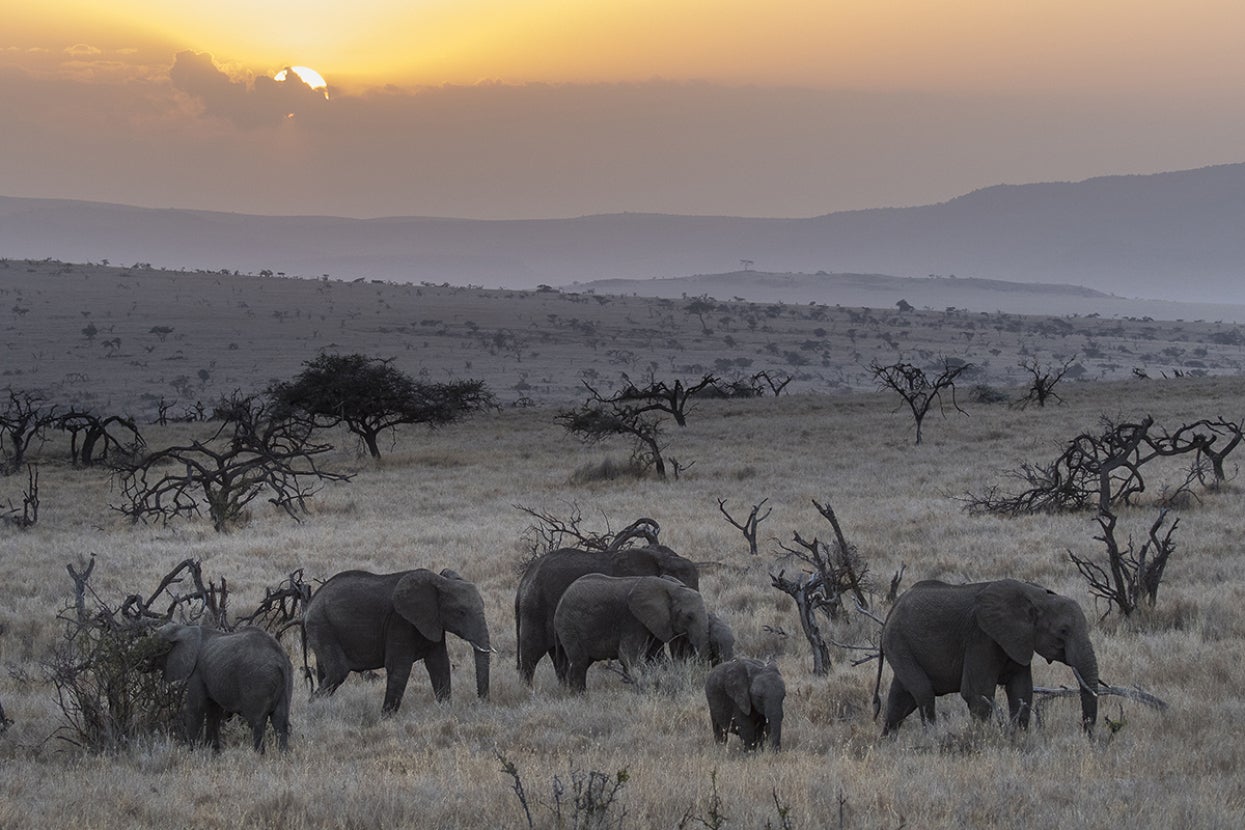
The top priority for this project is empowering conservationists on the ground to do this work themselves, where they are—even if they’re not geneticists.
Why Bother?
Presented with such alarming statistics about population decline, the temptation is to wonder whether the investment is worth it. At a time when a million fires are burning, why does this one deserve our attention?
“There are two ways of looking at it,” Watsa says. “One is that elephants are huge ecosystem engineers. When you remove them and no one’s eating what they ate, everything about the rest of that ecosystem—and ultimately, humans—changes. Because we’re all connected. Right?” As she says this, a half-smile crosses her face, as if her next words should be obvious. “But the simplest answer is that we all have a right to live on this planet.”
Chege adds: “There’s a message I would like to share with everybody. Elephants are wise, brilliant animals. They cuddle their little ones, and they mourn their family members. You find them using their trunk and tusks to investigate the carcass and turn it over. They must be asking so many questions.” Extinction is not inevitable. We have the resources to do what’s necessary to keep elephants from dying out—we need only the willpower.
Patrícia Pečnerová’s project STAMPEDE: Spatial and Temporal Analysis of Modern and Past Elephant DivErsity has received funding from the European Union’s Horizon 2020 research and innovation program under the Marie Skłodowska-Curie grant agreement No. 892446.